Using Herbs for Magick at Midsummer (Litha)

The Herb Catnip

The Herb Catnip

Using Herbs for Magick at Midsummer (Litha)

Many Wiccans enjoy harvesting and drying herbs at Midsummer, also known as Litha. At its annual height of power, the Sun (representing the God) makes the herbs quite powerful at this time. Wiccans recognize that herbs, so empowered, are best harvested during the Litha Sabbat.

We harvest flowers and plants and hang them to dry during Litha.

Warning: Never use plants that have had pesticides and other chemicals sprayed upon them in your practice.

To collect herbs, you will use a boline, a knife with a curved blade and a white handle. Wiccans use this tool for all of their cutting, from harvesting herbs to carving symbols in candles.

To harvest a herb, cut the plant while leaving a long enough stem so you can tie it in a bundle. Then, hang the bundle upside down. In this way, the plant’s energies will be concentrated at the head of the plant, the part you are going to use.

Hang your herbs in a dry place where there is no direct sunlight—to avoid the sun leaching out the essences you’re trying to capture. Use an attic or if none is available just be sure the area you choose is dry.

Once you’re certain that the herbs are thoroughly dried you can take one of two steps. Either grind them with a mortar and pestle or package the whole leaves of the herb. Be sure to use air tight containers, made of either glass or ceramic. These materials will not contaminate your herbs with chemicals like plastic tends to.

Wiccans enjoy using the energies of herbs in their magic.

Consider expanding your use of herbs, too.

Blessed be,

Moonwater SilverClaw

Sabbats – Beltane

Sunflowers

Sunflowers


Beltane

To our ancestors, Beltane celebrates the beginning of summer. Bale or “bon” fires are an important part of the Beltane Sabbat. All fires at home or in shops were extinguished and then re-lit from the sacred bonfires that blazed on the tops of the surrounding hills. This was also the time when the herds were blessed. The people marched their cattle around and between the bonfires to bring good luck and fertility and to protect them during the year.

The Sabbat Beltane, coincides with when the God actually impregnates the Goddess. This sacred act ensures the continued fertility for crops and animals throughout the light half of the year (between the Spring and Fall Equinoxes.)  A popular symbol for this sacred act, the May Pole represents the impregnation of the goddess. A May Pole is a pole set erect in the ground with ribbons attached on the top. People then each take a ribbon and dance in a weaving pattern around the pole. The pole represents God’s phallus and the colorful ribbons that the dancers wind around the May Pole represent the goddess with her flowers a-blooming. And so the impregnation of the Goddess is fulfilled.

Blessed be,

Moonwater SilverClaw

The Sabbat Ostara

Spring Arrives with Ostara

Spring Arrives with Ostara

Ostara

Ostara happens at the Spring (Vernal) Equinox. The days becomes equal to the night, and the light finally overcomes the darkness of winter. Ostara’s theme is fertility. The God courts the Goddess and their sexual energies of desire flow over the Earth, leading to a burst of new life and growth upon the land by the plants and the animals. Here the courting God and Goddess’s desire to mate drive the Earth and its inhabitants to mate and bring new life to the land.

The Teutonic goddess of spring, Easter brings her symbol of the egg and her patron animal, the rabbit. Wiccans celebrate Easter during the Ostara Sabbat. The ChristainChurch tried to stamp out celebrations of Easter and her symbols of fertility (the egg and the rabbit), but they had become too deeply embedded in the people’s hearts. Christians got their Easter eggs and rabbits from this Goddess. How many Christians know that when they celebrate Easter, they’re using a term originated by Pagans?

Generally, eggs are a popular representation of fertility and new life. Early Wiccans revered the “cosmic egg,” as many refer to it, for the secrets it held; it contained and produced life. It looked like a stone but held life within.

Wiccan activities on Ostara include coloring eggs and decorating them with fertility symbols, and then hiding them for children to find.


Blessed be,

Moonwater SilverClaw

Imbolc

Sunrise

The Light Grows

Imbolc

 The Sabbat Imbolc is midway between the Winter Solstice and the Spring Equinox when the light is beginning to return to the world and it is celebrated on February 2nd. Wiccans associate the Imbolc Sabbat with fire as they do at the Yule Sabbat. Can you see a theme here? This is for a reason: Fire honors the god and gives him strength. And who doesn’t like a nice warm fire on a chilly night during the cold part of the year?

At Imbolc the goddess has finally recovered from the strains of giving birth to the god. She is now back and ready to start the growing season of the year. Now purified, the goddess becomes the young maiden once more. Because of this, the act purification is a large part of this Sabbat.

At Imbolc we honor the goddess Bridget, the goddess of fertility and birth. She is the Celtic goddess of fire and rules the art of forge craft or metalsmithing. Bridget provides  inspiration and represents domestic arts like healing and cooking. We often use fires in the home as a nice way to honor Bridget, the goddess of the Earth.

Wiccans memorialize Imbolc, the time of purification, with the tradition of lighting candles. Candles provide inspiration and symbolize the growing light and strength from the sun god. Candles help coax the light into the year to come and bring on the bounty of nature. Imbolc is translated as “in the belly.” This refers to the coming of new life to the land.

At this time of the year, the ewes give birth to their lambs. Since the ewes’ lactation period has peaked at Imbolc, Wiccans view milk as an appropriate drink for this Sabbat. They enjoy lamb’s meat cooked on a sacred fire, paying homage to the goddess.

As the time of beginnings (births and the starting of new life), Imbolc is a good time for initiations and rededications for us. With the waxing year our intentions grow along with the light. And so our dedications to the gods grow in strength at this time.

Blessed Be,

Moonwater SilverClaw

Yule and Blessing Baskets

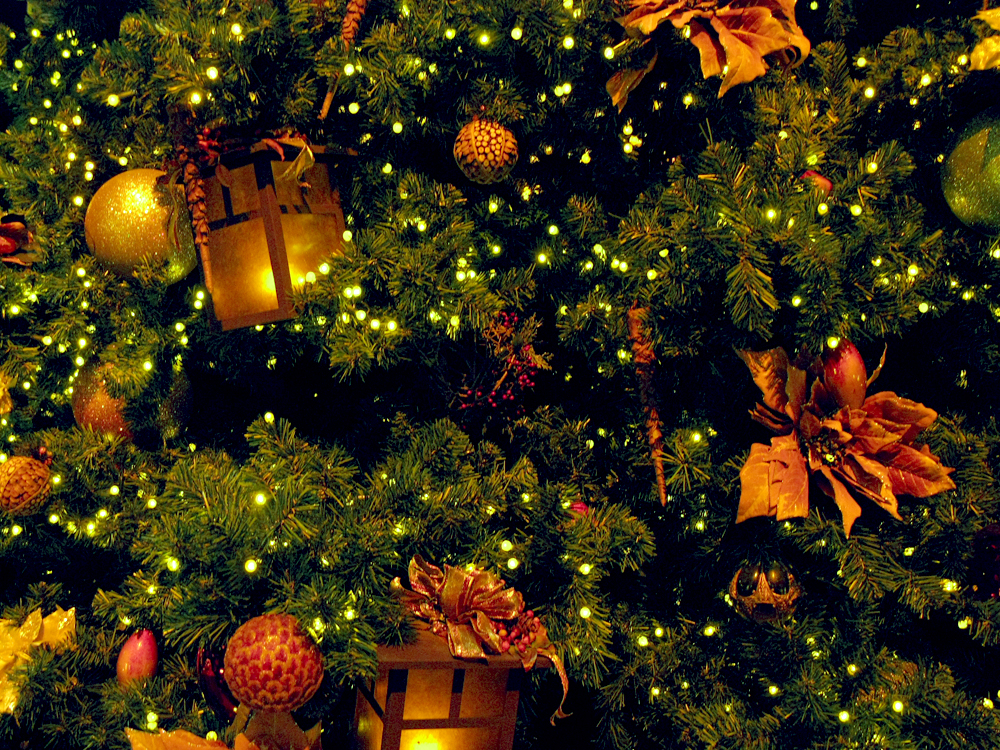
Yule Tree

Yule Tree

Yule

Yule is when the god is reborn from the virgin goddess. The goddess turns once more into her youthful form, as the young virgin mother. At Yule the goddess is the new mother and the god is her child.

Yule is also the Winter Solstice, the longest night of the year. In early human history, people feared that the sun would not reappear without help. With this belief began the custom of lighting candles and fires to lure back the sun. It was believed that this ritual would help the god to be reborn from the goddess, by helping the goddess to have an easy delivery.

Evergreen trees are associated with the Yule season. Our ancestors revered evergreens. Why? Evergreens were seen as proof of everlasting life. They saw that evergreen trees were the one source of life that continued to live and stay green throughout the year. Even in the deepest winter. They didn’t die with the rest of the plants during the cold months. They were special. Beginning with the Celtic Druids of central Europe during the Late Bronze Age, evergreens became sacred due to their representation of everlasting life.

The people of the day brought evergreens into their homes and decorated them with small gifts to the god and goddess. Candles were placed on the bows of the trees (I do not recommend this due to fire hazard). This is where Yule trees come from, and, incidentally, where the Christian’s get their Christmas tree. The Yule tree was so popular that the Church couldn’t stamp out the practice. The rest is history.

For Wiccans, Yule logs are another nice custom of at Yule. The pagans of northern Europe began the custom of cutting off a piece of a Yule tree (usually an oak tree) to save for a ritual the following year. For the ritual, people would gather on a hillside for a sacred bonfire and celebration. Afterward, they brought home a lit branch from the bonfire to light their fires at home, which had all been extinguished prior to the sacred gathering. They would then light their last years Yule log in their fireplace to bless their home. This tradition continues today.

At Yule celebrations, we gather with our loved ones to enjoy the merriment of the Sabbat with food and drink. We open gifts and sing songs about the god’s return.

(Note that those without fireplaces can drill holes into the top of a Yule log and burn candles. Commercially made Yule logs with candleholders are also available.)


What You Will Need

What You Will Need

Blessing Baskets

Blessing Baskets are a great tradition I’m starting up for this Yule. A Blessing Basket consists of a small basket that you hang on the Yule tree. Place the Blessing Basket somewhere special and prominent on the tree. What do you put inside the Blessings Basket? Small treats like candies and such, plus a small gift. Most important, include a piece of paper inscribed with a blessing of good fortune.

How to make a Blessing Basket

What you will need:

Basket

One small basket

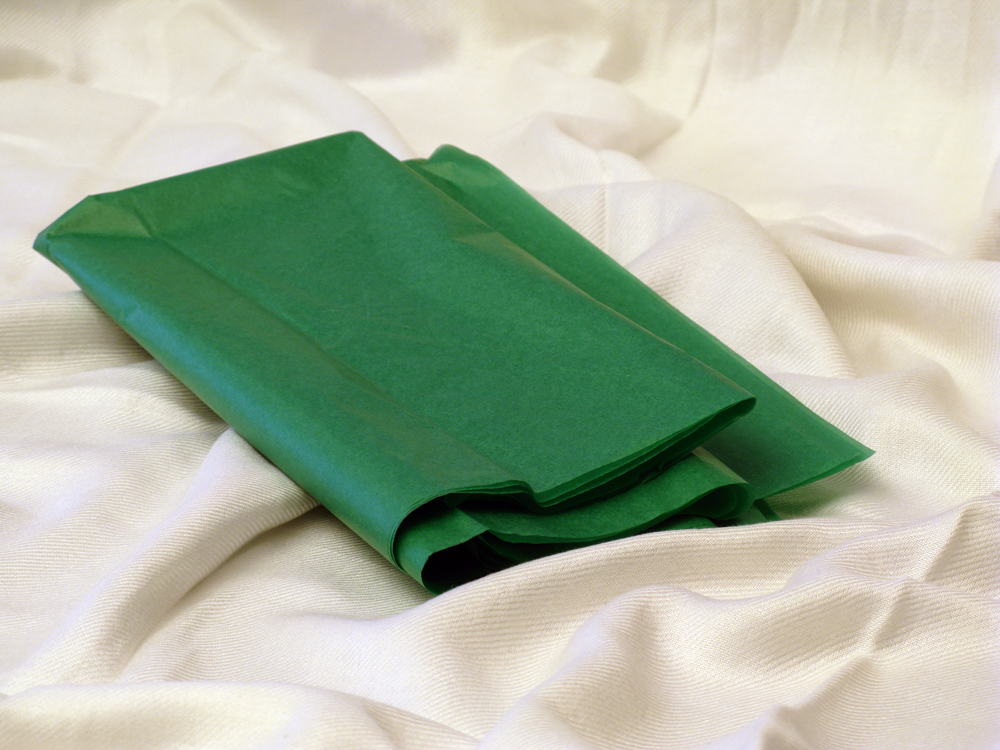
Tissue Paper

Tissue paper preferably in red and or green.

Red ribbon

Red ribbon

Candy and small gift.

Candy and small gift.

Slip of Paper

Slip of paper inscribed with a blessing of good fortune.

Putting it together:

1)      Take the basket and decorate it in whichever fashion you like, keeping the inside empty, here mine is already decorated.

Basket

One small basket

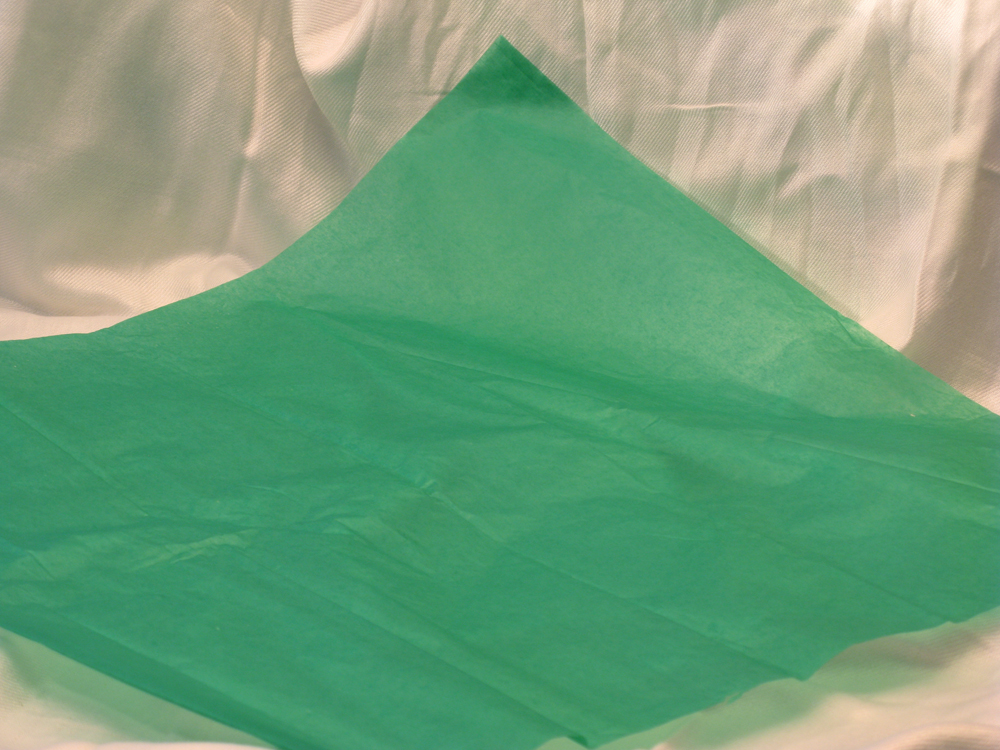
2)      Take the tissue paper and lay it flat on the table.

Tissue Paper Open On Table.

Tissue Paper Open On Table.

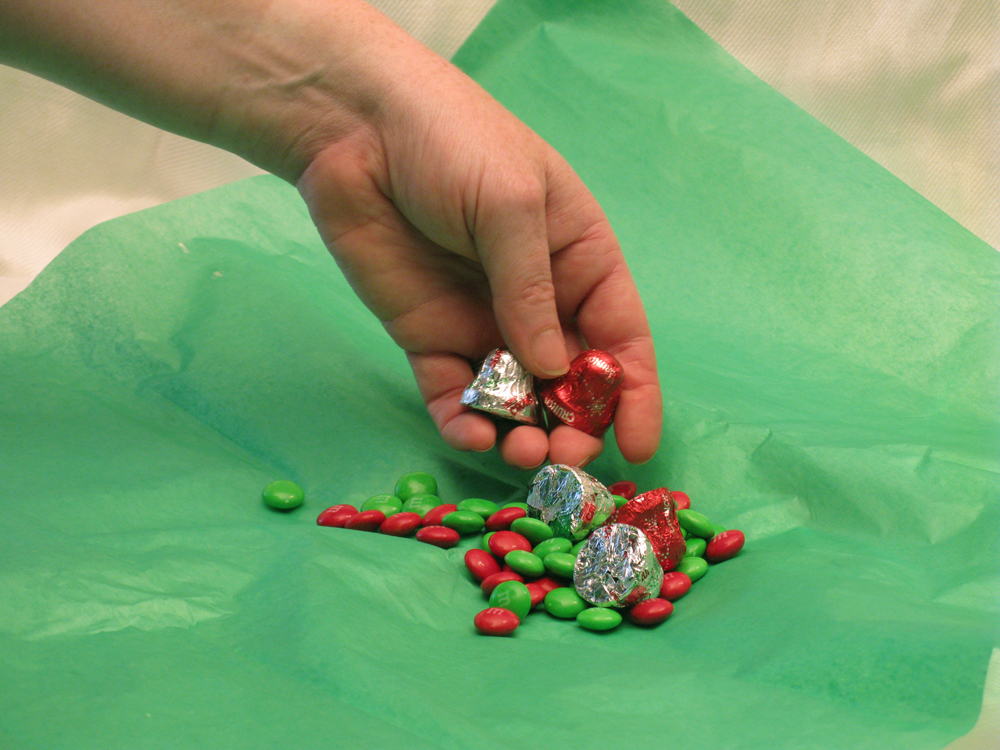
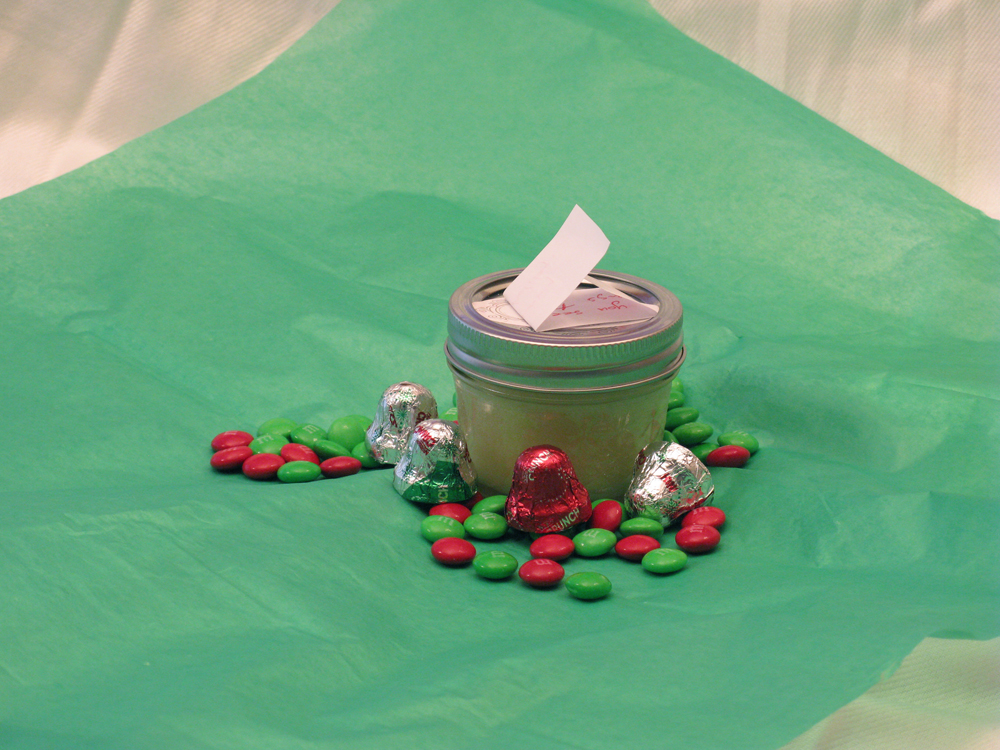
3)     Place candy and goodies on the tissue paper.

Scoop Candy

Scoop Candy

Place Candy on tissue.

Place Candy on tissue.

Place Candy on tissue.

Place Candy on tissue.

4)       Place the slip of paper inscribed with the fortune and a small gift in the middle of the tissue paper.

Place gift and paper now ready To wrap.

Place gift and paper now ready To wrap.

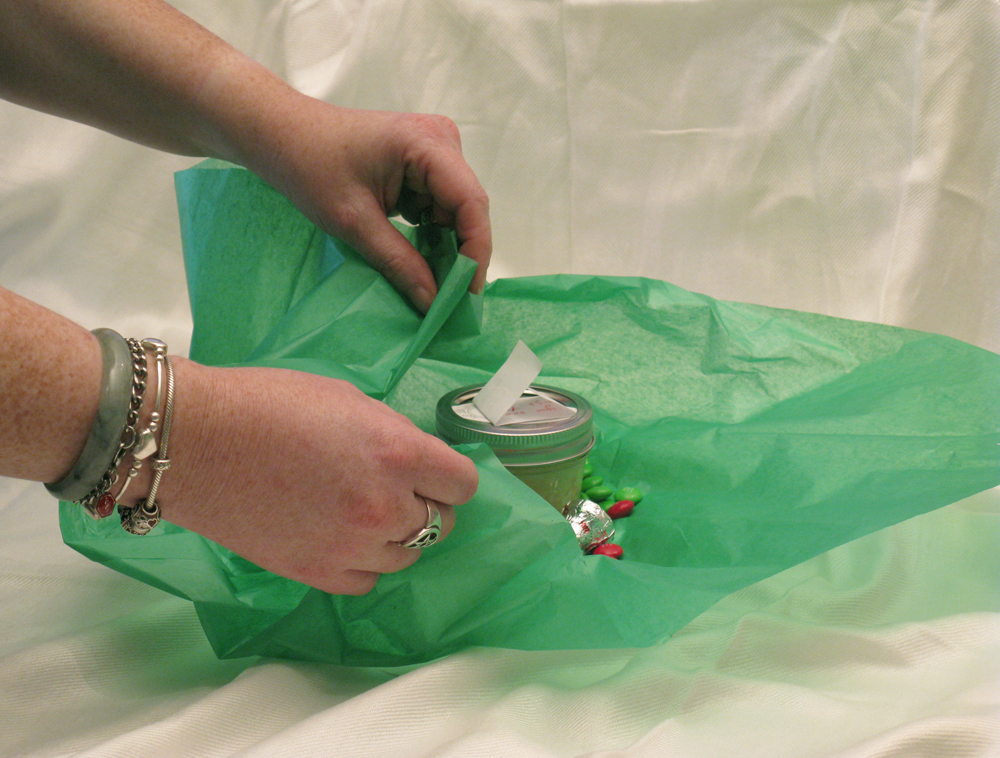
5)      Gather corners of the tissue paper and bunch the corners together.

Gather the edges.

Gather the edges.

6)      Use ribbon to tie up the bundle.

Tie Ribbon

Tie Ribbon

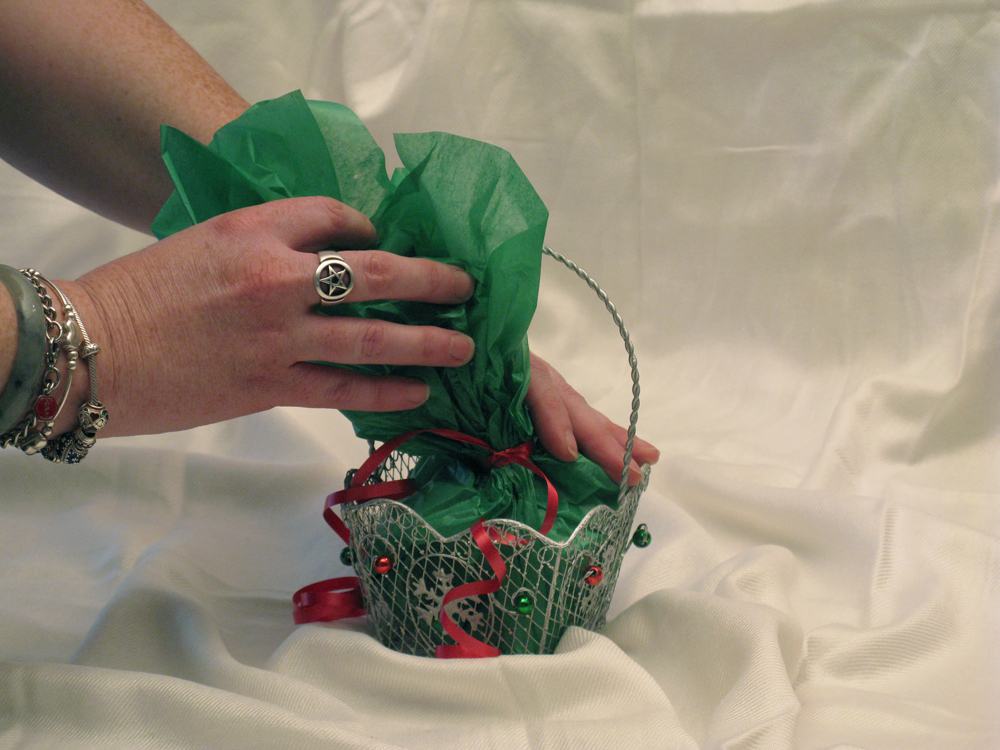
7)      Place inside the basket.

Place In Basket

Place In Basket

8)      Make a loop to hang your Blessing Basket on your Yule tree.

Finished Blessing Basket

Finished Blessing Basket

On Yule each person picks a basket that they did not assemble. The person reads their blessing of good fortune which brightens their Yule season.

Blessed Be,

Moonwater SilverClaw

Autumn Harvest

Autumn Leaves

Autumn Leaves

Merry Meet.

Fall is one of my favorite seasons. The trees change into their autumn colors, readying for their long winter slumber. We take this moment to reflect on our lives, looking at what we’ve accomplished and how far we’ve come.

If last Fall someone would have told me, “You will be a blogger,” I would have laughed. Yeah right, a dyslexic blogger.

Well, I feel called to write this blog. And thank you for reading it.

Looking at this season and the blessings I have, I’ll share what I am harvesting now.

First, I appreciate my readers, without whom I’d have no reason for this blog to continue. I wish to serve my community and you’re helping me do it. Thank you.

I also wish to educate those who don’t understand what the craft is about. Some people may not yet identify themselves as pagan, but they’d like more information. I wish to be as open as I can to those who truly wish to learn.

Second, I am thankful for my editors, who guide me to improve my writing. I am now harvesting my editors’ kindness and patience. So thank you.

These are just a few of the things residing in my cornucopia this year. What’s in yours? What things are you harvesting right now?


Book Update

My book, The Hidden Children of the Goddess, is coming along nicely. The book has been “ping-ponging” between my editors and me.

The book is now in round three of the editing process. Soon my editor will return my manuscript with her notes. Then I’ll continue to refine it. This book writing road has been a lot longer than I had expected. I’m hoping the end product of my labors will be sweet for my readers.

It’s important to me to serve those beginning the path of Wicca. I am hoping that my book educates and inspires those who seek the Path.

Blessed Be,

Moonwater SilverClaw

Halloween: The New American Export

Halloween: The New American Export

By Heather Greene

Before we move too far into the future, let’s pause a moment to talk about Halloween. Not the spiritual vigil of Samhain or seasonal harvest celebrations.  Let’s discuss the wholly secular, American and Canadian holiday of Halloween, complete with candy, costumes and PVC pumpkins.

Vintage Plastic Halloween Pumpkin Men by riptheskull

Vintage Plastic Halloween Pumpkin Men by riptheskull

It’s fair to say that Halloween has a somewhat uneasy place in the family of North American holidays.  On the one hand, we, as Pagans, fully embrace the festivities. It is the one calendar event that openly clings to its Pagan origins. When else can you buy a pentacle in TJ Maxx?   But, on the other hand, the celebration mocks its own spiritual roots, something that we hold very dear.

We aren’t alone in our unsettled attempts to navigate through the Halloween season.  American religious and community leaders repeatedly attempt to ban the holiday.  Why?  The list is endless including concerns over the overindulgence in candy, the potential dangers of trick-or-treating, the increased popularity of over-sexualized or violently graphic costumes and, of course, its Pagan origins. But the majority of folks really just want an excuse to party. Halloween provides a unique canvas that can only be topped by the decadent bacchanalia that is Mardi Gras. (The Atlantic, 10-30-12)

Ronald McDonalds Girls Photo courtesy of Japan-Talk.com

Ronald McDonalds Girls
Photo courtesy of Japan-Talk.com

More recently, the Halloween debate has been getting larger – much larger. Over the past two decades, our secular holiday has been spreading across the globe, seizing the imaginations of youth cultures on every continent. The holiday has hitched a ride with missionaries, English language teachers and ex-pats. It’s being promoted by imported American cultural commodities like internationally-based Theme Parks, McDonald’s stores, Coca Colaproducts and Hollywood movies.  And, of course, the ever-increasing accessibility to the internet only fuels the proverbial fire.

In some regions, Halloween has been readily incorporated into long-established fall cultural traditions. In the U.K. and the Republic of Ireland, Halloween finds itself at its ancestral birthplace. Today, the newly-imported version has mixed with surviving local customs associated with, among others, Guy Fawkes Day.  As noted by English writer, Chris Bitcher:

“Trick or treat has now actually become a bona fide tradition in the UK ….Fireworks were our autumnal treat of choice and for a good little while we fought off any competitor to it. But then we gave that up and decided to embrace both.” (Your Canterbury)

Disneyland Honk Kong During Halloween

Disneyland Hong Kong
During Halloween

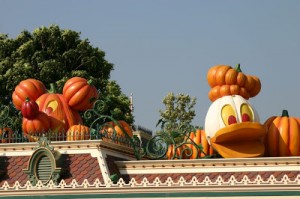
Across the globe in China, Hong Kong and Japan, people have been enthusiastically adopting the holiday. Lisa Morton, award-winning writer of Trick or Treat: The History of Halloween, and noted Halloween authority, attributes this acceptance to the presence of two Disney Theme Parks  (Tokyo and Hong Kong), Hollywood horror movies and a fascination with American pop-culture. During my own discussion with her, Lisa added, “In Japan, there is a love of festivals and affection for costuming or “cosplay,” which is associated with anime and manga.”  In mainland China, Halloween is slowly replacing Yue Laan or “ Hungry Ghost Festivals,” during which people appease and entertain ancestral ghosts.  To fuel and solidify this cultural shift, China will be getting its very own “Haunted Mansion” at Shanghai Disneyland in 2015.

On the contrary, in continental Europe, Halloween has been receiving a less than welcome reception. In Oct 2012, the Polish Archbishop Andzej Dzięga, was quoted on Polskie Radio, as saying, “This kind of fun, tempting children [with] candy, poses the real possibility of great spiritual damage, even destroying spiritual life.” He warned against the “promotion of paganism” and a “culture of death.”  In 2003, CNN.com reported that France’s Catholics are trying everything to fend off a Halloween celebration they say is an “ungodly U.S. import.”

More recently, in Russia, the war over Halloween rages on. ABC Online reports that one Russian Education Ministry official called the holiday, a destructive influence “on young people’s morals and mental health.” The Moscow city schools banned Halloween celebrations claiming that they were concerned about, “rituals of Satanically-oriented religious sects and… the promotion of the cult of death.”  In the same article, an unamed Russian psychologist warned:

Halloween poses a great danger to children and their mental health, suggesting it could make young people more likely to commit suicide.”(ABC Online)

Despite this heavily Christian rhetoric, the resistance is not entirely about religion.  In our discussion, Lisa explained that, “While it is difficult to fully separate the expression of nationalism from religious tradition, many European countries, like France and Slovenia, have strong anti-American undercurrents.”  Religious fervor may, in fact, be serving nationalist interests.  Lisa said, in the end, she “believes the protests are far more about nationalism than religion.”

This is expressed in an article by Paul Wood, an Englishman living in Bucharest:

Just as the North American grey squirrel has made the red squirrel almost extinct so has the North American Hallowe’en taken over with extraordinary swiftness, extinguishing older, weaker traditions. This too is life, I suppose, but it is part of the process by which the whole world is becoming plastic. (Romania Insider)

Despite the rejection, Halloween is still growing, albeit very slowly, deep within European youth cultures.  In Italy, Halloween is called La Notte delle Streghe or “Night of the Witches.”  In Romania, home of the Carpathian Mountains, the local economy is profiting from world’s fascination with Count Dracula. What a better way to spend Halloween than in Transylvania on a “real Dracula Halloween tour” complete with a four-course dinner and prizes!

Now, let’s move into the Southern Hemisphere where Halloween faces a new obstacle. Simply put, the harvest-based holiday does not apply. In this part of the world, October 31st marks the middle of Spring, not Fall.  Over the summer, I was reminded of this fact when wishing an Australian friend, “Joyous Lughnasah.” She responded with an equally joyful, “Happy Imbolc.”

Jack-O-Lantern

Jack-O-Lantern

In the Southern Hemisphere, traditional festivals continue to be celebrated in accordance with appropriate seasonal shifts with no noticeable attempt to transplant Halloween to May.  However, youth cultures have been showing a small amount of interest in an October-based Halloween celebration, particularly in the English-speaking countries of Australia, South Africa and New Zealand.  If for no other reason, the Northern holiday offers a chance to party and dabble in the macabre – even if it’s completely devoid of its seasonal aspects.

What about the Americas?  As noted above, the countries in the Southern Hemisphere do not recognize Halloween chiefly due to geographical complications.  However, the closer you get to the U.S., the more our secular Halloween has influenced local October traditions.  In Costa Rica, for example, locals “have taken this “foreign” holiday and used it to revive an ancient Costa Rican custom: Dia de la Mascarada Tradicional Costarricense or Masquerade Day,” reports the Costa Rican News.

Closer to home, in Mexico, the famous and mystical celebration of Dias de los Muertos is, now, often called Dias de las Brujas or “Day of the Witches.”  Halloween practices have been woven in to this largely religious holiday.  As expected, there has been backlash from Mexican nationalists and religious leaders.  However, Mexico is just too close to the U.S. to prevent the blending of two very similar October holidays. And that continues to happen in both directions.

Just as Halloween has infiltrated Mexican culture, elements of Dias de los Muertos are now showing up within U.S. Halloween celebrations.  In an interview, Lisa Morton explained:

Last year I saw my first piece of major Dias de los Muertos American retailing – the Russell Stover candy company released several themed candy bars… That’s probably a sign that Dias de los Muertos is starting to be accepted into the American mainstream. It’s certainly very popular in those areas of the U.S. with large Latino populations.  More people seem to be joining in large-scale Dias de los Muertos celebrations in America every year.
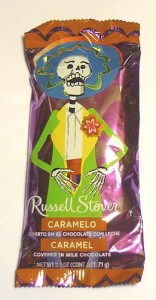
Dias de los Muertos Candy Photo Courtesy of Lisa Morton

Dias de los Muertos Candy
Photo Courtesy of Lisa Morton

There are some areas of the world in which Halloween has yet to find a home for reasons already listed. These areas include the Islamic Middle East, the heavily Christian areas of sub-Saharan Africa, Israel, India and parts of South East Asia.  I’ll go out on a limb and add Antarctica to that list – just to complete the geography lesson.

What does all this mean for Pagans? First of all, in every article for or against Halloween, a discourse emerges surrounding the origins the holiday.  In many of these reports, the author includes a reasonable account of Halloween’s Celtic origins and Samhain-based traditions. Modern Pagan language is, unwittingly, hitching a ride on Halloween’s broomstick.

With the growing public interest in Halloween, we may find ourselves more able to openly join in the global conversation and, at the same time, deal with our own reservations. Maybe we should embrace the evolving holiday, “seize the spotlight” and become the stewards of Halloween worldwide?  After all, the U.S. media loves interviewing witches in October.  Or, we could completely renounce the secular holiday and its derogatory effigies. We could join others in protest with slogans like “We’re a culture. Not a costume.”

Regardless of our personal feelings about the secular celebration, Halloween continues to gain popularity worldwide, year after year.  As a result, every October when the veil thins, a brand-new door opens for us providing a unique opportunity for a teachable moment.  Now, we can say that both the ancestors and the world are listening.

Trick or Treat:  A History of Halloween

Trick or Treat: A History of Halloween

Note about Lisa Morton: Trick or Treat:  A History of Halloween. This book is an historical and cultural survay of Halloween’s evolution from early Celtic traditions and lore through the ages and across the globe. It is a good read for history junkies, like myself, or students of comparative culture. Within her detailed work, Lisa did reach out to consult Wiccans, world-wide, and gave a decent nod to the modern-day Pagan spiritual celebrations of Samhain or Halloween. 


A big thank you to Heather Greene, as she is our first guest blogger.

Heather Greene

Heather Greene

Heather Greene: (Miraselena) is a freelance writer and digital media marketing consultant living in the South Eastern, U.S.  She has an advanced degree in Film Theory and History and a extensive background in commercial media and technology.  She spent the first part of her career working at a major Madison Avenue Ad agency and its subsidiaries, as well as several other corporations.   In 2001, she left it all behind to become a independent writer and has been doing that ever since.

In the Pagan world, Heather has served as Public Information Officer for Dogwood Local Council, the southern branch of Covenant of the Goddess.  In November of 2012, she will become the National Public Information Officer for the organization.  Additionally, she assists Lady Liberty League, as a media relations adviser and writer, for cases involving threats to religious freedom in southern public schools. Her reports have been published on-line and in Circle Magazine. She’s a Priestess with the Temple of the Rising Phoenix, which has been her spiritual home since 1997.
Heather’s other interesst fall into the realm of the creative.  She has always “found peace while dabbling in the creative energy that always seems to encircle her life through music, dance, color and words.” Currently, she is entertaining the muse through her own writing and through music as a singer and songwriter. She finds “power and inspiration in all that is reflected in nature’s beauty, family and friends.”
Twitter:  @miraselena01
Facebook:  Miraselena01
Google +: Heather Greene

Happy Samhain

Jack-O-lantern

Jack-O-lantern

Samhain

Samhain is the final harvest Sabbat of the year. At this time the last crops are gathered and put into storage for the cold winter’s months. The god makes his ultimate sacrifice at this time. But fear not his sacrifice is a willing one, for he does this for his children. The god is symbolized by the last of the harvest. He (the god of the harvest) is cut down (sacrificed) at this time so that we may have food to last us through the winter. The “Johan Barleycorn” songs came from this.

At this time of the year, the cattle and pigs are culled keeping only the ones strong enough to weather the harsh winter months. The meat is then salted and cured so that the people would be able to survive the long winter.

Samhain is also known as the witches’ New Year. The Celts felt that this was the beginning of the year. The reason for this is they believed a new life started at death. You needed to die to be reborn into a new life. That is just what the god has done with his sacrifice. He now resides in the underworld awaiting birth at Yule.

Samhain is also the time to communicate with the dead, The Veil between the worlds is the thinnest at this time. The Veil is the doorway or curtain that separates the land of the living with the land of the dead. Contact between the two worlds is now easily accomplished. So contacting past loved ones is common on this Sabbat. The dead are honored at this time. An example of this in today’s modern society is Mexico’s day of the dead.

The Wheel turns to represent death at this Sabbat, only to continue turning at Yule, to the beginning, representing life and rebirth. The eternal cycle of reincarnation is celebrated during Samhain. The old god dies to be reborn at Yule.

Blessed be,

Moonwater Silverclaw

Sabbats – Mabon

Happy Mabon!

Stop Sign

Stop and Tell Me What You Did Today!

Mabon is a time of balance between light and dark. It is the autumn equinox when the days continue to grow shorter and the dark begins to take over the light. With the nights becoming longer, the power of the God is waning.

As the second of the three harvest festivals of the year, Mabon is also known as the witches’ thanksgiving. We give thanks to the God and Goddess for all the bounty and sacrifices they have made for us. On this Sabbat we have friends and family over for a meal of thanksgiving. Foods that are in season at this time of year make great dishes for the feast. Enjoy bread, corn, squash, other autumn vegetables. Don’t forget wine, beer, and mead.

Some witches pour some blackberry wine on the ground as a sacrifice to the Gods. This ritual gives us hope of keeping the God alive until Samhain, when the God makes the willing sacrifice to keep us alive.

What did you do for Mabon this year? Share your experiences of the day with me here in the comments.

Blessed Be,

Moonwater Silverclaw