New Fan Page

The Hidden Children of the Goddess

We have a new fan page on FaceBook! The Hidden Children of the Goddess is a place where Wiccans and Pagans can share lessons and experiences in the comfort of their peers and community. This page is based on the new upcoming book by Moonwater Silverclaw.

Come and join the community of the Hidden Children of the Goddess!

Click Here for our Community

The Tools of Wicca: Salt

Merry Meet!

We talked about fire in my last post, today we will be talking about salt.

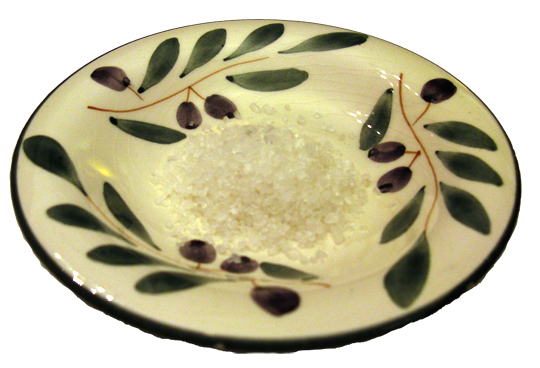
Salt Bowl

Salt Bowl

We use salt to represent Earth on our altars. Salt is sodium crystals, and crystals represent Earth. Therefore, Wiccans see salt as feminine.

We balance our altars with salt as Earth energy. As mentioned in a previous post, we also mix salt with water to make our holy water. Salt is a natural cleanser and preserver.

Our ancestors applied salt to cure their meat and it functioned as the first preservative people employed. (And we still use it today.) Early people didn’t understand it at the time, but salt kills a lot of bacteria we come into contact with and so it prevented meat from spoiling.

So holy water purifies because it has salt in it. We sprinkle holy water to get rid of unwanted energies and entities. We mix three pinches of salt into our blessed water to make a salt-water solution. This blessed solution is then used to bless and cleanse other things and even people.

So this is how we use salt on our altar.

In the next post we will talk about air.

I wish you a blessed day.

Blessed be,

Moonwater Silverclaw

Sabbats – Mabon

Happy Mabon!

Stop Sign

Stop and Tell Me What You Did Today!

Mabon is a time of balance between light and dark. It is the autumn equinox when the days continue to grow shorter and the dark begins to take over the light. With the nights becoming longer, the power of the God is waning.

As the second of the three harvest festivals of the year, Mabon is also known as the witches’ thanksgiving. We give thanks to the God and Goddess for all the bounty and sacrifices they have made for us. On this Sabbat we have friends and family over for a meal of thanksgiving. Foods that are in season at this time of year make great dishes for the feast. Enjoy bread, corn, squash, other autumn vegetables. Don’t forget wine, beer, and mead.

Some witches pour some blackberry wine on the ground as a sacrifice to the Gods. This ritual gives us hope of keeping the God alive until Samhain, when the God makes the willing sacrifice to keep us alive.

What did you do for Mabon this year? Share your experiences of the day with me here in the comments.

Blessed Be,

Moonwater Silverclaw

Being dyslexic sucks!

Spider

Spider

Being dyslexic sucks!

“Write a blog” the gods say; “teach online” the gods say.

Well, you just don’t argue with the gods, I say. So here I am! Dyslexia in all its glory. Did I mention how much I love my editors?!

Without my editors this blog would be: “The hidden hcipen of the Doggess.”

So if there is anything not quite “write” with my “righting,” you will have to excuse me and my rapidly balding editors! They must scream a lot at night.

Growing up this way wasn’t a simple feat. Trying to learn anything was a challenge, especially when it came to Wicca. When I started out I didn’t have a mentor. So anything I was to learn came from books, and there was no one to explain anything to me. Yeah, you see where this is going, don’t you?

It took me obviously a lot longer to learn anything in the beginning. But I look at this as my “Are you willing to suffer to learn?” moment. When I was in 8th grade, I had a 3rd grade reading/spelling level. This is not something I am proud of, but it was a fact of life for me then. Then there were the children laughing at me, and pointing at me. Not good for my low self-esteem, either. Everything was in books when I started on my path with the craft.

So I’ve converted my long, frustrated hours reading, into condensed, convenient posts just for you. In fact, this is why I generally write brief posts. Now the next dyslexic witch will have an easier time with learning the craft, if they can’t find a mentor.

Now you know the story. ‘Till next time.

Blessed be,

Moonwater Silverclaw

The Tools of Wicca: The Working Candle

In the last post we talked about water and what it represents. Now we will continue with fire.

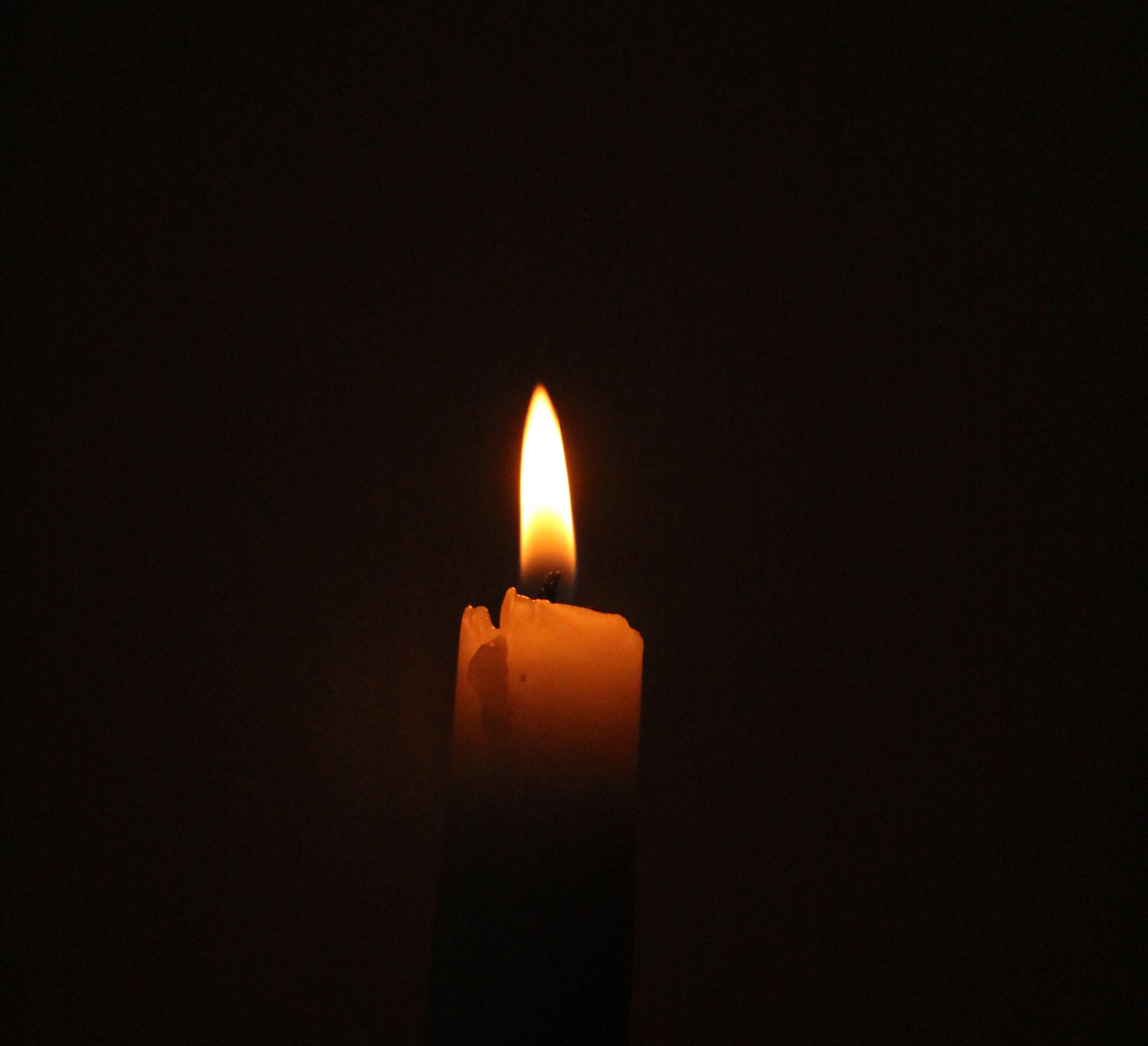
Working Candle

Working Candle (photo by Arthur)

Fire is the spark of life! As a masculine element, fire is included as the flame of the lit candle on our altar. We light this candle, known as “the working candle,” first. Then we use the working candle to light other objects such as incense or other candles. The other candles have their own specific uses, and we do not work with their flames.

In the next post we will be discussing salt. So see you next time.

Blessed be,

Moonwater Silverclaw

How Wicca Changed My Life – As a young girl

Wicca Wheel Mandala

Wicca Wheel Mandala

How Wicca Changed My Life

As a young girl I was shy. I’m not talking about just a little quiet shy, I’m talking about no friends and couldn’t talk to people shy. And not only that; but my self-worth wasn’t only in the toilet, it was nonexistent!

If I needed help I couldn’t ask for it. This left the door wide open for bullies. I was teased and tormented mercilessly. Day in and day out, the torment never stopped. The worst was at home. Home was supposed to be a safe place, mine wasn’t.

Three years older and much bigger, my brother beat me and even held me underwater in a swimming pool at a friend’s house. He finally let go when I stopped struggling.

My parents didn’t do a thing to stop the abuse from my brother, even when the abuse was blatantly in front of them. This was an even bigger hit to my self-worth. “If my own parents don’t think I’m worth saving,” I thought, “I must be not worth anything.”

As I grew up, these messages further gripped my reality. I was alone against a heartless world. I was beyond miserable.

Then I found the gods. The first book I read about the craft was a breath of fresh air to someone who had been suffocating for years. I found something that spoke the truth to me. As I continued to read the books it hit me: Goddess doesn’t make crap!

It was not that I wasn’t worth anything; the truth was the complete opposite of my thinking. I was unique and special to the gods just the way I was created. If the gods loved me because of the way I was, then I could love me, too! And I was worth standing up for!

At first people got mad when I stood up for myself. But after a while they did start to treat me with more respect. Not everyone changed, but that’s their loss. I am a beautiful, loving person. And no one deserved to be treated the way I had been. It is just wrong and not the way the gods want us to treat one another.

We are all loved of the gods. We are all unique and therefore special, no matter what anyone says, even yourself!

Tools of Wicca – Water

Merry Meet.

In the last post we looked at the cup and its use. Now we will look at water.

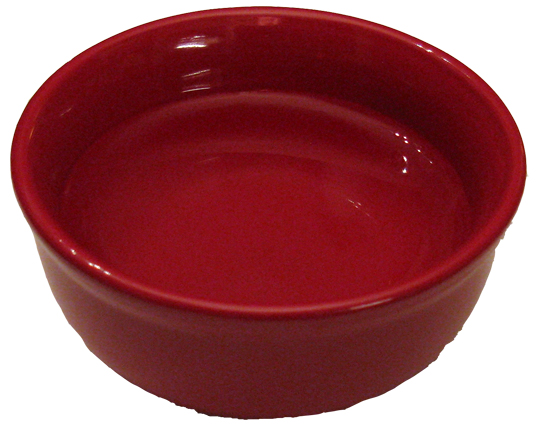
Bowl of Water

Bowl of Water

Water is one of the four elements on our altar. As a feminine element, water represents the embryonic fluid of birth. It represents not only birth but also death–in the cycle of life. Both Death and water are associated with the West, which in turn is associated with the Summerlands. People of many cultures think of the afterlife and the need to cross water in some fashion to go the other side.

We use the water in conjunction with blessed salt to make our holy water. In turn, we use this holy water to cleanse objects and people. Holy water represents the salinity of the oceans and of the womb we all come from.

In the next post, I will discuss fire and its properties.

Blessed be,

Moonwater Silverclaw

The Tools of Wicca: The Cup or Chalice

Merry Meet and welcome. Last time we talked about the athame. Today we will talk about the chalice or cup.

The Cup

The Cup

The cup is an important tool, and it can be made of just about anything. Glass, metal, or even wood. Since plastic usually does not hold a magickal charge, we tend to avoid using that material. (I spell magick with a “k” at the end to distinguish it from stage magic which is just slight of hand.

Usually we pour wine into the cup, but, you can substitute juice if you do not drink alcohol. Some people are allergic to alcohol or simply choose not to drink it and that is fine.

After we’ve poured wine in the cup, we use a ceremony to bless it. After that, we pour a portion of wine into a small bowl as a libation to the Gods. We then exclaim, “To the Gods.” After that, we drink the wine from the cup.

If your ceremony includes more than one person, (if you’re not practicing as a solitary), the cup is passed from one person to another while saying: “May you never thirst.” The person, who receives the cup, replies, “Blessed be.”

In my next post, I will discus the water bowl. Hope you have a great day!

Blessed Be,

Moonwater Silverclaw

What is Wicca?

Merry Meet. As we talked about in the last post, this is a blog for the neophyte. So we will start at the beginning.

What is Wicca?

Wicca, also known as Witchcraft, has been practiced throughout history. Some practices of Wicca or Witchcraft have their roots as far back as the stone age. This is why it is also known as the Old Religion. It’s also known as “the Craft.”

Wiccans honor the cycles of the Earth and Sky. We honor the seasons and the cycles of life and death. We perform Sabbats to honor these cycles. The Sabbats express the life cycle in the seasons, and the turning of the year.

The term “turning of the year” comes from the way we look at a year. We see it as a cycle or a circle. Never beginning, never ending, it’s an ever-turning wheel. This is why we believe in reincarnation. It will be clearer when we look at the different Sabbats and the roles they play in the life cycle.

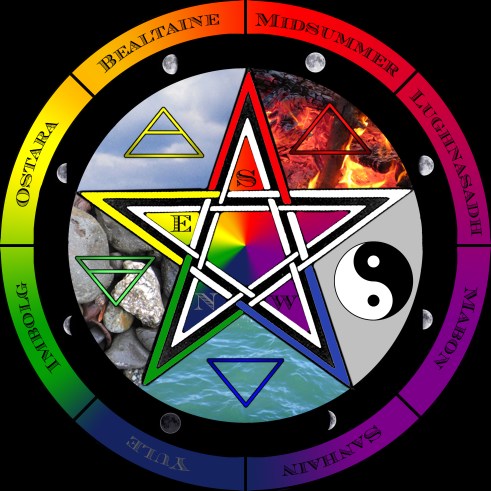
Wiccan Wheel of the Year

Wiccan Wheel of the Year

As I said before, the cycles of the year are marked by the Sabbats. We as Wiccans strive to attune ourselves to these cycles at the Sabbats:

  • Yule (Approximately Dec 22,  Winter Solstice)
  • Imbolc (Approximately Feb 1 or 2nd)
  • Ostara (Approximately March 22nd,  Spring Equinox)
  • Beltane (May 1st)
  • Litha (Approximately June 22nd Summer Solstice)
  • Lammas (August 1st)
  • Mabon (Approximately Sept. 22nd Fall Equinox)
  • Samain (Oct 31st)

Now knowing a little about what Wicca, we will discuss how to practice Wicca in my next post.

Blessed Be,

Moonwater Silverclaw

Merry Meet!

Merry meet and welcome to the Hidden Children of the Goddess blog. I am here to answer questions about Wicca that you may have and to inspire the practice of Wicca to all who are interested in the Craft. Therefore this blog is meant to educate and to inspire the student of Wicca.

I started on the path of Wicca in 1992. Slowly learning the Craft as a solitary Witch, I finally found a mentor in 2002. Now that I am a High Priestess I want to give support to those who are seeking information on Wicca.

So this blog is for the Hidden Children of the Goddess, for those who seek knowledge in the practice of honoring the gods and creating positive change in one’s life and in the world.

Blessed Be
Moonwater Silverclaw