Litha/Midsummer

Bee

Bee

Litha/Midsummer

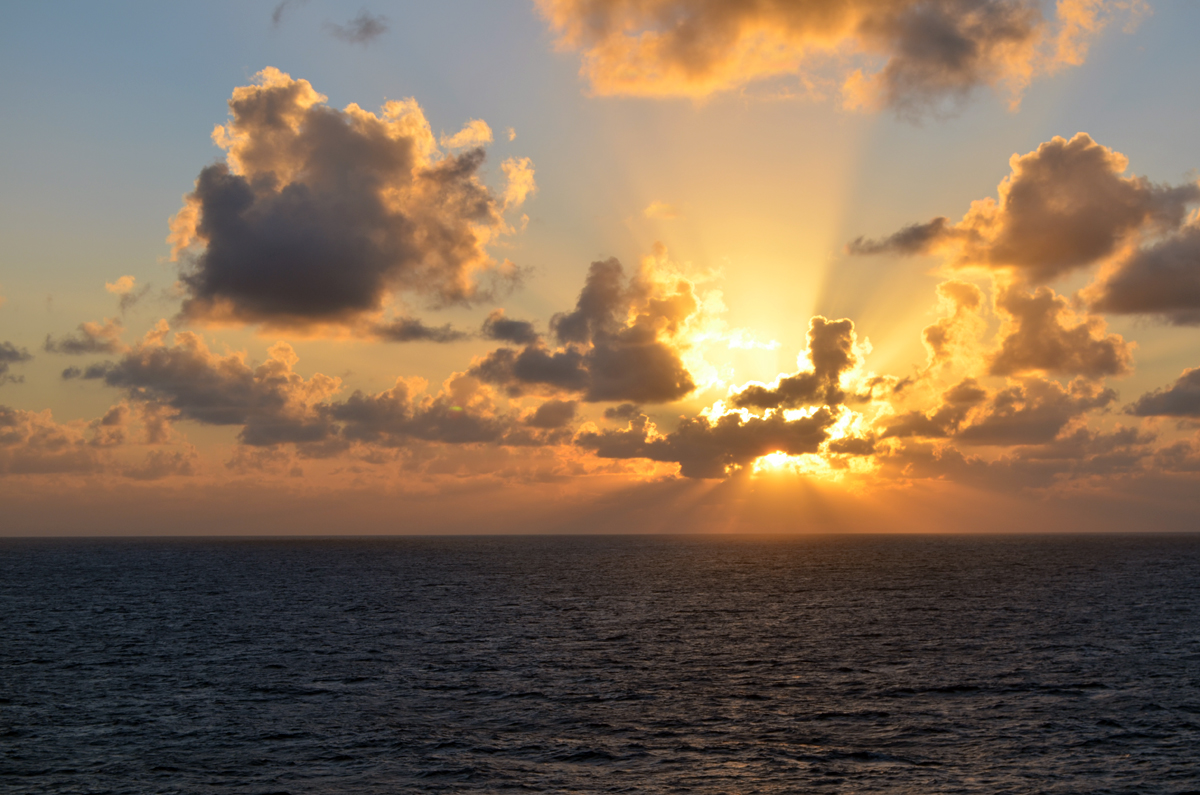
The Summer Solstice Litha, also known as Midsummer, represents when the God is at his height in power and fertility. The sun now takes its longest path across the sky and we experience the longest day of the year. This completes the sun’s waxing cycle and begins the waning part of the solar year. The days become increasingly shorter until the Wheel of the Year returns to Yule when the days once again wax with the sun. The days grow longer.

Wiccans enjoy collecting and drying of herbs during Litha. Many of them take nice walks out in nature to harvest herbs. Herbs harvested during this period have greater magickal powers than herbs gathered at other times of the year. Herbs reach their peak of strength and potency during Litha.

Once again, the bonfire holds a prominent place. The God rises to his peak as his power and strength expands at Litha.

Along the line of a bonfire, when my coven meets for Litha, we do a barbeque. Meat and fire form a good combo for this Sabbat! Yum!

Blessings,

Moonwater SilverClaw

Sabbats – Beltane

Sunflowers

Sunflowers


Beltane

To our ancestors, Beltane celebrates the beginning of summer. Bale or “bon” fires are an important part of the Beltane Sabbat. All fires at home or in shops were extinguished and then re-lit from the sacred bonfires that blazed on the tops of the surrounding hills. This was also the time when the herds were blessed. The people marched their cattle around and between the bonfires to bring good luck and fertility and to protect them during the year.

The Sabbat Beltane, coincides with when the God actually impregnates the Goddess. This sacred act ensures the continued fertility for crops and animals throughout the light half of the year (between the Spring and Fall Equinoxes.)  A popular symbol for this sacred act, the May Pole represents the impregnation of the goddess. A May Pole is a pole set erect in the ground with ribbons attached on the top. People then each take a ribbon and dance in a weaving pattern around the pole. The pole represents God’s phallus and the colorful ribbons that the dancers wind around the May Pole represent the goddess with her flowers a-blooming. And so the impregnation of the Goddess is fulfilled.

Blessed be,

Moonwater SilverClaw

The Sabbat Ostara

Spring Arrives with Ostara

Spring Arrives with Ostara

Ostara

Ostara happens at the Spring (Vernal) Equinox. The days becomes equal to the night, and the light finally overcomes the darkness of winter. Ostara’s theme is fertility. The God courts the Goddess and their sexual energies of desire flow over the Earth, leading to a burst of new life and growth upon the land by the plants and the animals. Here the courting God and Goddess’s desire to mate drive the Earth and its inhabitants to mate and bring new life to the land.

The Teutonic goddess of spring, Easter brings her symbol of the egg and her patron animal, the rabbit. Wiccans celebrate Easter during the Ostara Sabbat. The ChristainChurch tried to stamp out celebrations of Easter and her symbols of fertility (the egg and the rabbit), but they had become too deeply embedded in the people’s hearts. Christians got their Easter eggs and rabbits from this Goddess. How many Christians know that when they celebrate Easter, they’re using a term originated by Pagans?

Generally, eggs are a popular representation of fertility and new life. Early Wiccans revered the “cosmic egg,” as many refer to it, for the secrets it held; it contained and produced life. It looked like a stone but held life within.

Wiccan activities on Ostara include coloring eggs and decorating them with fertility symbols, and then hiding them for children to find.


Blessed be,

Moonwater SilverClaw

Imbolc

Sunrise

The Light Grows

Imbolc

 The Sabbat Imbolc is midway between the Winter Solstice and the Spring Equinox when the light is beginning to return to the world and it is celebrated on February 2nd. Wiccans associate the Imbolc Sabbat with fire as they do at the Yule Sabbat. Can you see a theme here? This is for a reason: Fire honors the god and gives him strength. And who doesn’t like a nice warm fire on a chilly night during the cold part of the year?

At Imbolc the goddess has finally recovered from the strains of giving birth to the god. She is now back and ready to start the growing season of the year. Now purified, the goddess becomes the young maiden once more. Because of this, the act purification is a large part of this Sabbat.

At Imbolc we honor the goddess Bridget, the goddess of fertility and birth. She is the Celtic goddess of fire and rules the art of forge craft or metalsmithing. Bridget provides  inspiration and represents domestic arts like healing and cooking. We often use fires in the home as a nice way to honor Bridget, the goddess of the Earth.

Wiccans memorialize Imbolc, the time of purification, with the tradition of lighting candles. Candles provide inspiration and symbolize the growing light and strength from the sun god. Candles help coax the light into the year to come and bring on the bounty of nature. Imbolc is translated as “in the belly.” This refers to the coming of new life to the land.

At this time of the year, the ewes give birth to their lambs. Since the ewes’ lactation period has peaked at Imbolc, Wiccans view milk as an appropriate drink for this Sabbat. They enjoy lamb’s meat cooked on a sacred fire, paying homage to the goddess.

As the time of beginnings (births and the starting of new life), Imbolc is a good time for initiations and rededications for us. With the waxing year our intentions grow along with the light. And so our dedications to the gods grow in strength at this time.

Blessed Be,

Moonwater SilverClaw

Happy Samhain

Jack-O-lantern

Jack-O-lantern

Samhain

Samhain is the final harvest Sabbat of the year. At this time the last crops are gathered and put into storage for the cold winter’s months. The god makes his ultimate sacrifice at this time. But fear not his sacrifice is a willing one, for he does this for his children. The god is symbolized by the last of the harvest. He (the god of the harvest) is cut down (sacrificed) at this time so that we may have food to last us through the winter. The “Johan Barleycorn” songs came from this.

At this time of the year, the cattle and pigs are culled keeping only the ones strong enough to weather the harsh winter months. The meat is then salted and cured so that the people would be able to survive the long winter.

Samhain is also known as the witches’ New Year. The Celts felt that this was the beginning of the year. The reason for this is they believed a new life started at death. You needed to die to be reborn into a new life. That is just what the god has done with his sacrifice. He now resides in the underworld awaiting birth at Yule.

Samhain is also the time to communicate with the dead, The Veil between the worlds is the thinnest at this time. The Veil is the doorway or curtain that separates the land of the living with the land of the dead. Contact between the two worlds is now easily accomplished. So contacting past loved ones is common on this Sabbat. The dead are honored at this time. An example of this in today’s modern society is Mexico’s day of the dead.

The Wheel turns to represent death at this Sabbat, only to continue turning at Yule, to the beginning, representing life and rebirth. The eternal cycle of reincarnation is celebrated during Samhain. The old god dies to be reborn at Yule.

Blessed be,

Moonwater Silverclaw

What is Wicca?

Merry Meet. As we talked about in the last post, this is a blog for the neophyte. So we will start at the beginning.

What is Wicca?

Wicca, also known as Witchcraft, has been practiced throughout history. Some practices of Wicca or Witchcraft have their roots as far back as the stone age. This is why it is also known as the Old Religion. It’s also known as “the Craft.”

Wiccans honor the cycles of the Earth and Sky. We honor the seasons and the cycles of life and death. We perform Sabbats to honor these cycles. The Sabbats express the life cycle in the seasons, and the turning of the year.

The term “turning of the year” comes from the way we look at a year. We see it as a cycle or a circle. Never beginning, never ending, it’s an ever-turning wheel. This is why we believe in reincarnation. It will be clearer when we look at the different Sabbats and the roles they play in the life cycle.

Wiccan Wheel of the Year

Wiccan Wheel of the Year

As I said before, the cycles of the year are marked by the Sabbats. We as Wiccans strive to attune ourselves to these cycles at the Sabbats:

  • Yule (Approximately Dec 22,  Winter Solstice)
  • Imbolc (Approximately Feb 1 or 2nd)
  • Ostara (Approximately March 22nd,  Spring Equinox)
  • Beltane (May 1st)
  • Litha (Approximately June 22nd Summer Solstice)
  • Lammas (August 1st)
  • Mabon (Approximately Sept. 22nd Fall Equinox)
  • Samain (Oct 31st)

Now knowing a little about what Wicca, we will discuss how to practice Wicca in my next post.

Blessed Be,

Moonwater Silverclaw